
We’ve all done it.
You’ll only be gone an hour or two. You'll be back before you know it.
You grab your keys and phone, leave your extra diabetes supplies at home, and head out.
That’s exactly what a friend of mine did last week. She had to make a stop a couple of towns over. She wasn't going to be gone long. Her blood sugar was fine, so no worries, right?
The universe had other plans.
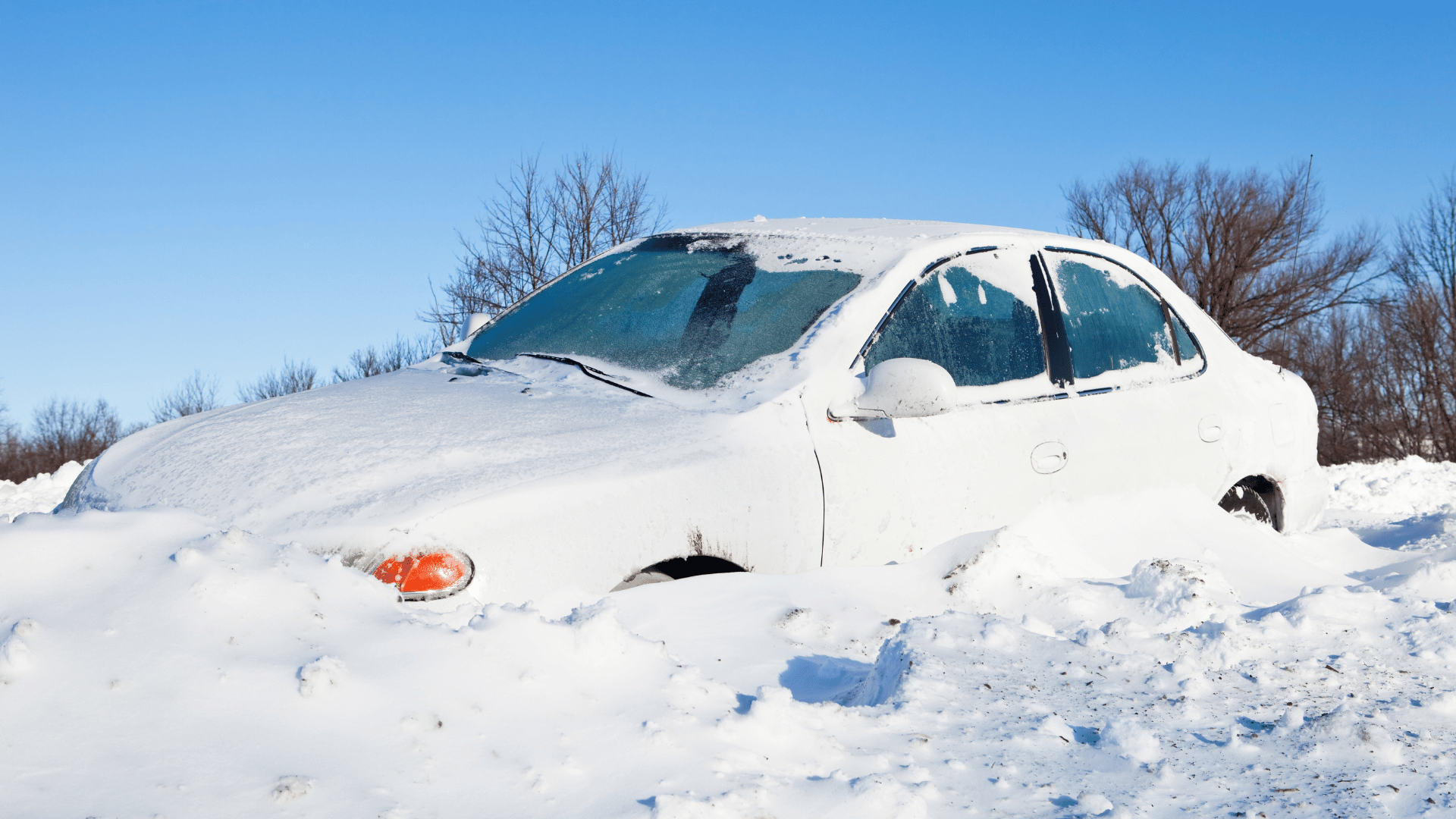
*Not the actual car :)
The roads were icy. She tried to slow down for an upcoming stop sign, but was unfortunately going too fast. The car skidded sideways and into the ditch. She couldn't reverse the car out, so she called for a tow truck and waited... and waited.
During the wait, her CGM alarm went off. High blood sugar. Probably just stress.
After trying a correction bolus with her insulin pump, she got the second alarm: an occlusion (no insulin delivery).
At that moment, it became much more urgent to get her car out and get back home.
Without a spare infusion set, a syringe, or a vial of insulin in her purse, she was stuck (literally and figuratively). By the time she finally got towed out and found a way home, her blood sugar was over 350 mg/dL and climbing fast. She felt terrible, panicked, and completely vulnerable.
The lesson? It wasn’t the car skidding off the road that caused the crisis. It was the lack of backup diabetes supplies.
Preparedness isn't just for backwoods survivalists, it’s a crucial part of diabetes management.
When you have your supplies with you, a delay is just an inconvenience. When you don’t, it can be an emergency.
The "never-leave-home-without-it" checklist:
Insulin & syringe, or insulin pen & pen needles: Even if you use a pump, always have a manual way to get insulin into your body. Pumps fail. Batteries die. Occlusions happen.
Glucose EVERYWHERE: Keep a stash of glucose in your car, in your jacket pocket, in your purse/bag. If your blood sugar is low, you shouldn't have to go searching to find glucose.
A spare infusion set/pod (if you use a pump) because occlusions seem to happen at the worst possible times.
Charger for your pump (if applicable) and phone.
Something to eat/drink such as a low carb protein snack and a bottle of water, minimum.
For extra preparedness, keep a full set of your diabetes supplies at your desk or locker at work. Or consider keeping some supplies (including insulin!) at a friend or family's house just in case you can't return to your home for some reason.
Being prepared isn't about living in fear, it's about peace of mind. When you're prepared, you know that no matter what the roads, the weather, or the world throws at you, you have the tools needed to take care of your health.
*Shout out to my dad, who always made sure the car was packed with emergency supplies, which was especially important for snowy MN winters. I guess I'm a prepper because of him. 😊
Pack the bag. Carry the glucose. Stay safe out there.